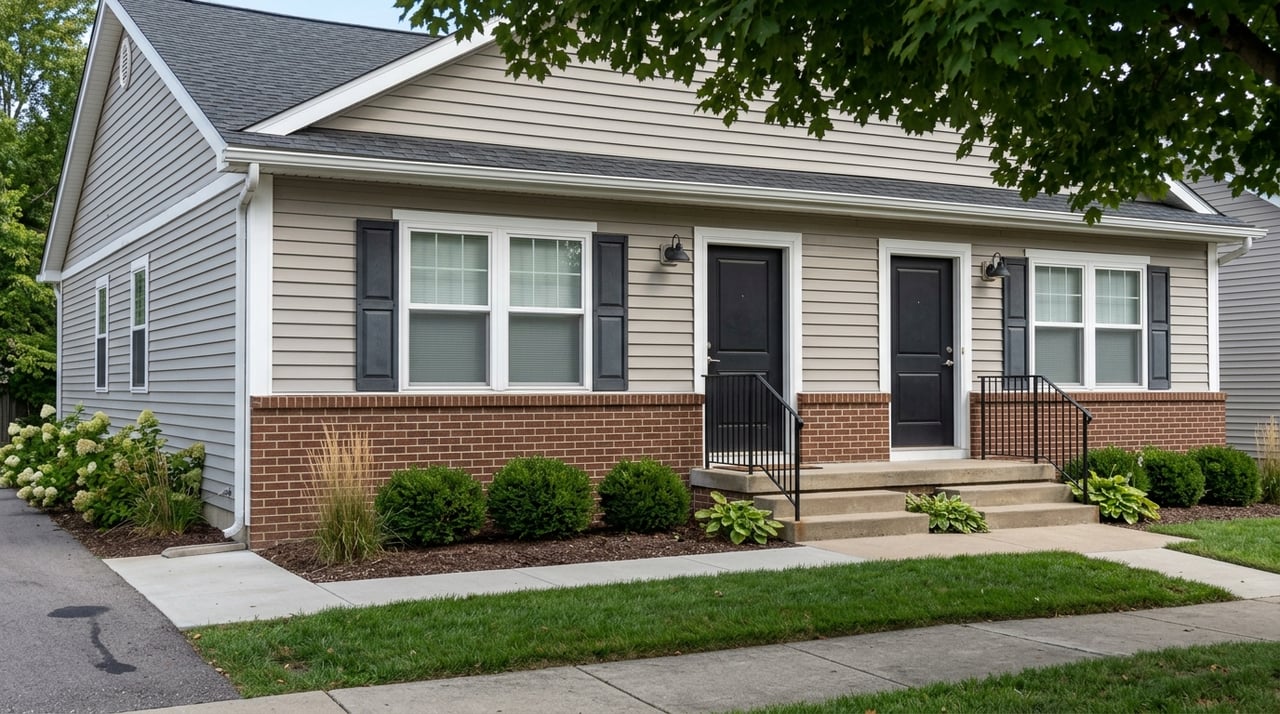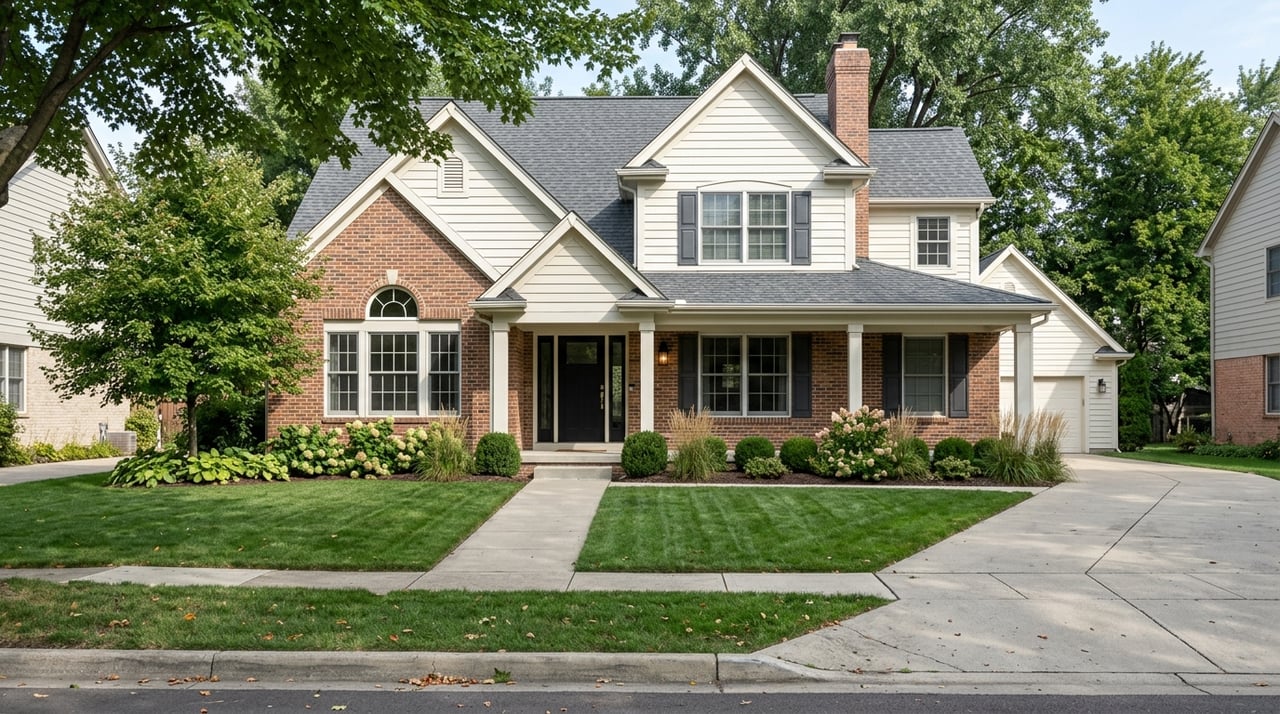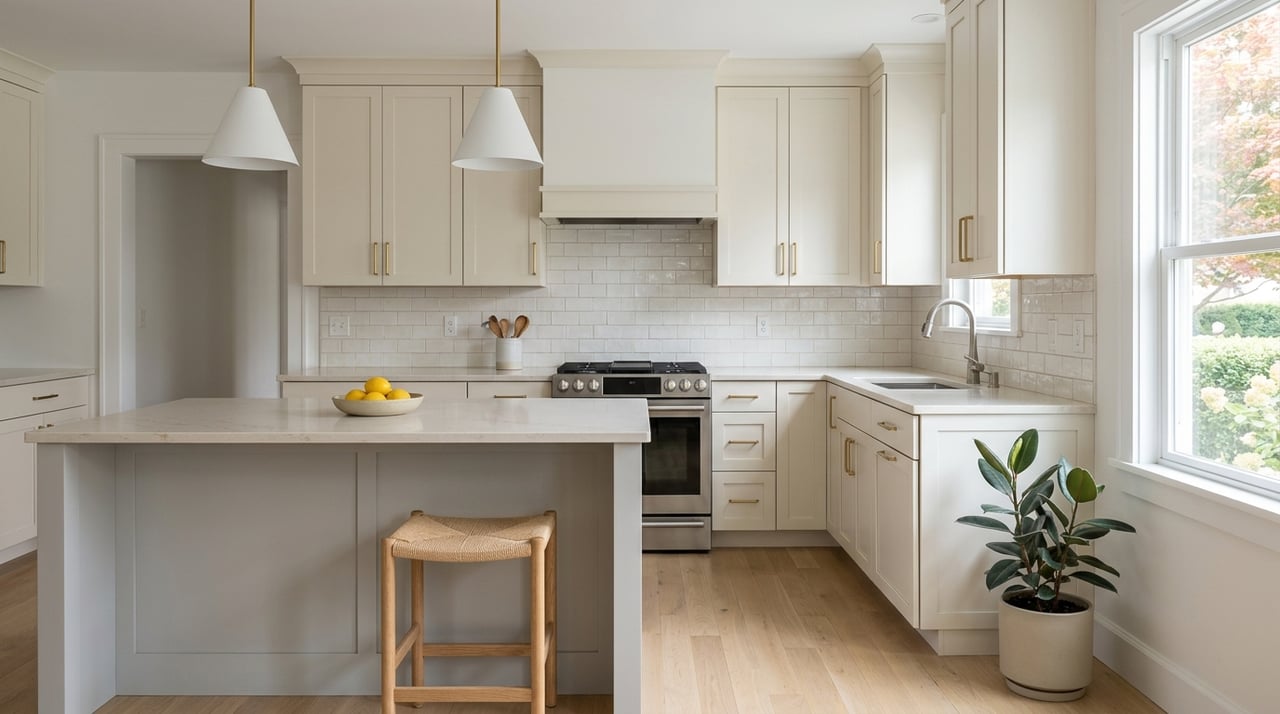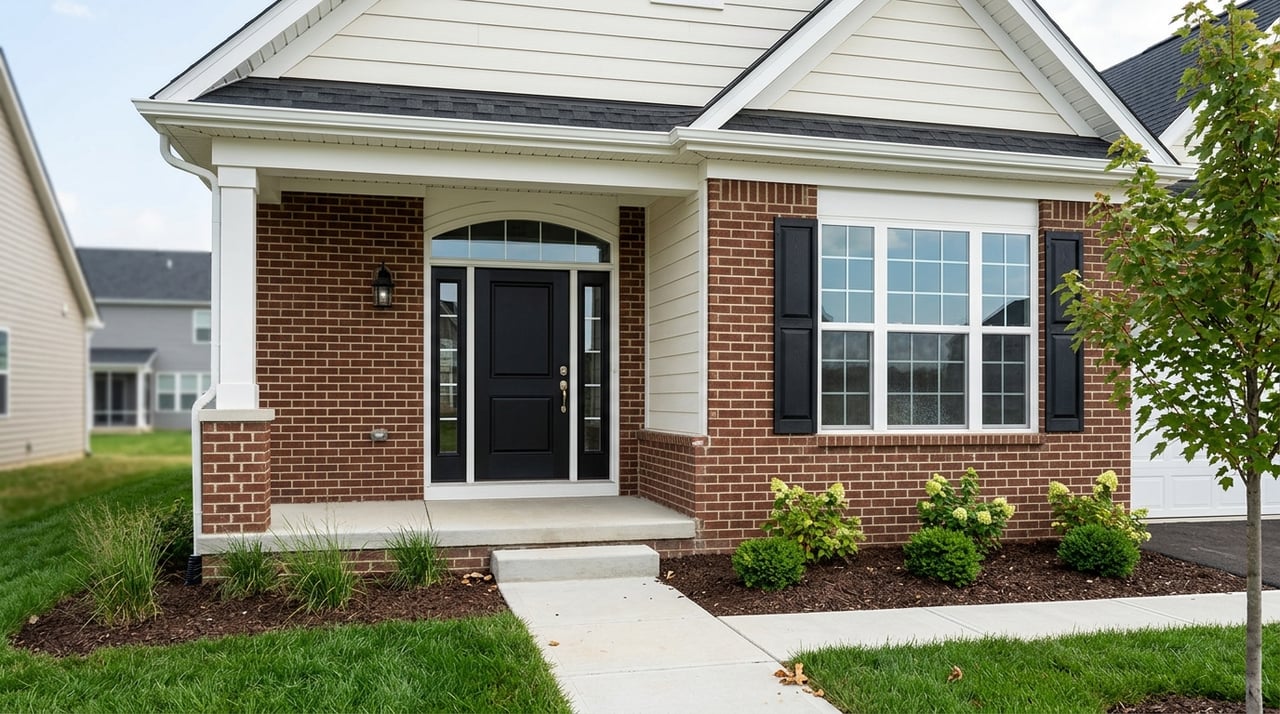
Thinking about buying new construction in Saint John? It can feel exciting and overwhelming at the same time. Between builder communities, lot premiums, upgrade packages, and move-in timelines, it is easy to focus on the model home and miss the details that shape your real cost and experience. This guide will help you shop builder communities in Saint John with more clarity, better questions, and a stronger plan. Let’s dive in.
Why Saint John draws new construction buyers
Saint John is a planned community about 24 miles southeast of Chicago, with parks, trails, and suburban neighborhoods. For many buyers, that mix makes it a natural place to look for newer homes with more modern layouts and community features.
It is also a market where new construction often happens in phases, not just one-off homes on scattered lots. Town legal notices show ongoing subdivision activity tied to projects like The Preserve East and West, The Grove, Gates of St. John units, Park West, and Castle Rock Phase 3. That matters because when you shop in Saint John, you are often comparing communities at different stages of development.
Know the main community types
Not every new construction option works the same way. In Saint John, you may be comparing production communities, townhome developments, semi-custom neighborhoods, and estate-lot communities.
Understanding that difference early can help you match your budget, timeline, and design goals to the right type of builder community.
Production and townhome communities
Production builders typically control the land, the community layout, and a set menu of plans and finishes. That often means a more streamlined process and, in some cases, faster move-in opportunities.
In Saint John, examples include townhome-style options and builder-planned neighborhoods. The Gates of St. John by Phillippe Builders is marketed with townhomes starting in the $360s, while D.R. Horton’s Maple Gate highlights 2-story townhomes with 3 bedrooms, a loft, 2.5 baths, and 2-car garages, along with features like quartz countertops, stainless appliances, luxury vinyl planking, and smart-home technology.
Custom and semi-custom communities
Custom and semi-custom communities usually offer more flexibility, but they also tend to involve a longer timeline and more decisions. In these neighborhoods, your lot choice and home design often carry more weight than they do in a production setting.
The Preserve is one example in Saint John. It is described as a master-planned custom-home community with homes starting in the upper $700s, more than 100 acres of trees and ponds, and bike or walk paths. Available lot information also shows just how much variation can exist inside a single neighborhood.
Luxury estate-lot communities
Some Saint John communities are built around large estate lots and separate lot purchases. These can be very different from a builder package where the home and lot are rolled into one transaction.
The Continental is marketed as a gated private estate community with 52 lots on 55 acres, with lots beginning in the mid-$200,000s and homes priced from roughly $1.2 million to $5 million. The builder notes that lots may be available from the developer or a private party only, which is an important reminder to ask whether you are buying land first and building second.
Start with the lot, not just the floor plan
One of the biggest mistakes buyers make is falling in love with a floor plan before they understand the lot. In many Saint John communities, the lot can affect your privacy, drainage outlook, yard use, and final price just as much as the home itself.
The Preserve’s lot sheet shows the range you may see even within one subdivision. Buyers may be choosing between flat lots, treed lots, lookout lots, cul-de-sac locations, and lots with different statuses such as available, sold, or under construction.
Lot features can change cost and function
A premium lot can raise the overall price quickly. Treed lots, cul-de-sac positions, and certain outlooks may carry a higher price than a more standard interior lot.
The lot can also shape how you use the property after closing. If you are thinking about extra garage space, storage, or hobby use, Saint John’s local rules matter.
Check local garage and lot rules
Saint John’s Building & Planning Department states that detached residential garages are prohibited on lots smaller than one acre. The town also caps total garage area based on lot size.
That means if you want a detached garage or extra outbuilding-style storage, you should confirm the lot dimensions and zoning fit before you sign. This is a great example of why model-home excitement should always be balanced with a practical review of the site.
Separate base price from all-in price
Builder marketing often focuses on a starting price, but that number may not reflect the home most buyers actually end up purchasing. The model, photos, and online renderings may include features that cost extra.
Phillippe Builders specifically notes that floor plans and photos may include optional upgrades and that prices vary by layout, options, and location. That is why you should treat the advertised price as a starting point, not the final budget.
Ask what is standard
When you tour a builder community, ask for a written breakdown of what comes standard. Then compare that to what you saw in the model or in the listing materials.
Items that often affect your final price include:
- Premium lot charges
- Exterior elevation upgrades
- Cabinet and countertop selections
- Flooring upgrades
- Appliance packages
- Lighting and plumbing fixture selections
- Landscaping allowances
- Structural options like extensions, sunrooms, or finished spaces
A clear standard-versus-upgrade review can help you compare communities more fairly. It can also protect you from choosing a builder based on a price point that no longer fits once your must-haves are added.
Compare timeline options carefully
Not every new construction home requires the same waiting period. In Saint John, you may be comparing a home that is ready now, one that is already under construction, or a lot-and-build process that takes much longer.
D.R. Horton advertises some Saint John homes as now ready, while The Preserve includes under-construction and quick-delivery homes. That creates very different planning needs depending on whether you need to move soon or want more design control.
The town process affects move-in timing
Builder estimates are important, but they are not the only dates that matter. Saint John says standard permit processing takes at least two working days, and the town coordinates inspections tied to new construction.
The town also notes that a new home should not be occupied before the Certificate of Occupancy is issued. In addition, Saint John states that the average single-family new-construction building and zoning permit cost is over $12,000, and there is a $1,000 new-residential building escrow that is refunded only if the applicant complies with regulations and does not occupy the home early.
For you as a buyer, the practical takeaway is simple: build completion and move-in are not always the same date. It is smart to ask how permits, inspections, and Certificate of Occupancy timing are being built into the contract schedule.
Verify community details by address
It is easy to assume that every new-build subdivision in Saint John works the same way, but that is not always true. Community features, covenant rules, and service details can vary from one development to another.
School assignment is one example. Lake Central School Corporation says it serves the Tri-Town community of St. John, Schererville, and Dyer, but builder community pages in Saint John may list different school systems by subdivision. The safest move is to verify by exact address instead of assuming based on the town name alone.
Understand the contract before you commit
A new construction contract is not just about price. It should also help you understand deposits, financing, inspection rights, timelines, and what happens if something changes during construction.
The Consumer Financial Protection Bureau recommends making offers contingent on financing and a satisfactory inspection. It also notes that if a home is not yet built, a builder may ask for an upfront deposit, so buyers should ask under what conditions that deposit is refundable.
You do not have to use the builder lender
Some builders promote affiliated lenders or preferred financing options. That may be worth reviewing, but the CFPB notes that you do not have to use the builder’s affiliated mortgage lender.
That gives you room to compare loan options and decide what works best for your goals. Even if a builder offers incentives, you should still weigh the full picture, including rate, fees, and flexibility.
Warranties deserve a close read
A builder warranty is not the same thing as a separate home warranty or service contract. The Federal Trade Commission explains that most newly built homes come with a builder warranty that generally covers workmanship and materials on many components for one year, HVAC, plumbing, and electrical systems for two years, and some major structural defects for up to 10 years.
The FTC also notes that many warranties require mediation or arbitration. That is why it is wise to ask for the warranty terms in writing and keep detailed records if a concern comes up after closing.
Why early buyer representation matters
Builder communities are designed to make the process feel smooth, and in many ways that is a good thing. But smooth does not always mean simple.
An early buyer’s agent can help you compare community structures, review whether a lot purchase is separate from the build, flag the difference between standard features and upgrades, and keep an eye on permit and Certificate of Occupancy timing. That kind of support fits especially well with The Hamilton Collective’s education-first approach, because the goal is not just to help you buy a home, but to help you understand what you are buying.
There is also a practical reason to start early. The National Association of REALTORS® says that as of August 17, 2024, many REALTORS® must have a written buyer agreement before touring a home, and that agreement should spell out services and compensation. It also says those terms are negotiable, while open houses do not require the same agreement when you are simply attending on your own.
A smart Saint John builder-community checklist
Before you move forward with a new construction home in Saint John, keep this checklist handy:
- Compare community type: production, semi-custom, custom, or estate-lot
- Ask whether the lot and home are one purchase or separate transactions
- Review lot type, dimensions, and location inside the subdivision
- Confirm what features are standard and what costs extra
- Ask about quick move-in, under-construction, and build-from-scratch timelines
- Verify permit, inspection, and Certificate of Occupancy expectations
- Confirm community-specific rules and any builder or subdivision restrictions
- Verify school assignment by exact address
- Ask when deposits are due and when they are refundable
- Read warranty coverage and claim procedures carefully
If you are shopping builder communities in Saint John, the best move is to slow down just enough to ask better questions. That extra clarity can help you avoid surprises and choose a home that fits both your lifestyle and your budget.
When you want a local advocate to help you compare communities, review the fine print, and build a smarter plan from day one, connect with Kristiana Hamilton.
FAQs
What should you compare when shopping new construction in Saint John?
- You should compare the community type, lot options, standard features, upgrade costs, timeline, deposit terms, warranty details, and local rules that could affect how you use the property.
Why does lot choice matter in a Saint John builder community?
- Lot choice can affect privacy, drainage outlook, usable yard space, future garage options, and the total price of the home.
Are all Saint John new construction homes move-in ready quickly?
- No. Some homes may be ready now, some may be under construction, and others may involve a longer custom or semi-custom build schedule.
Do Saint John buyers need to verify school assignment by address?
- Yes. School assignment can vary by subdivision, so it is best to verify by exact address rather than assume every new-build community has the same assignment.
Can a builder in Saint John require you to use its lender?
- No. The CFPB notes that you do not have to use the builder’s affiliated mortgage lender, so you can compare financing options.
What local timing issue matters before moving into a new home in Saint John?
- You should account for permit processing, inspections, and Certificate of Occupancy timing, because a builder’s estimated completion date may not match the actual date you can occupy the home.