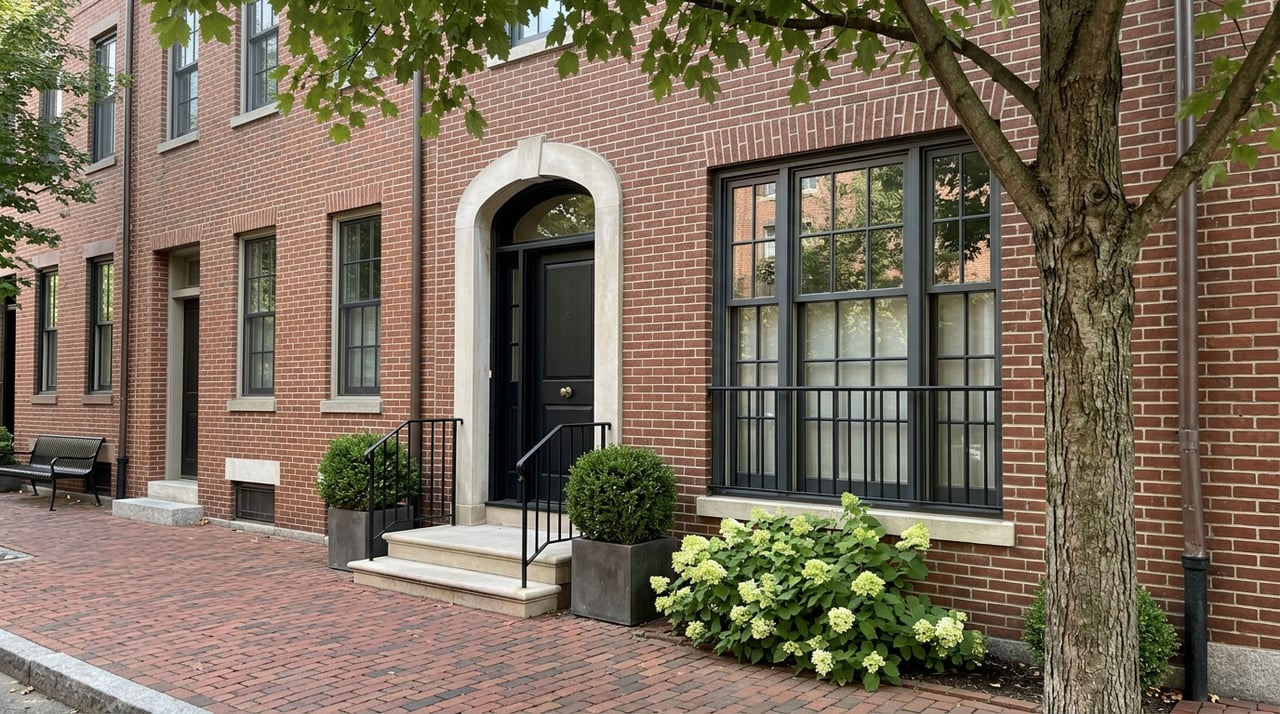
If you want to understand why so many people are drawn to Naperville, start with one simple walk. The Riverwalk and downtown core give you a real feel for how the city comes together, from scenic public spaces and local events to shopping, dining, and nearby residential streets. Whether you are planning a visit, exploring a future move, or just getting to know the area better, this guide will help you see how these pieces connect. Let’s dive in.
Why the Riverwalk Matters
The Naperville Riverwalk is more than a path along the water. Created in 1981 to celebrate Naperville’s 150th anniversary, it stretches 1.75 miles along the West Branch of the DuPage River and serves as one of the city’s signature public spaces.
As you walk it, you will notice that it feels built for lingering, not rushing. Brick paths, fountains, bridges, sculpture, memorials, and recreation areas create a setting that supports both quiet walks and active community use.
The Riverwalk also works as the heart of the downtown pedestrian experience. Instead of feeling separate from the surrounding district, it connects naturally with downtown streets, gathering spots, and nearby attractions.
Riverwalk Stops to Know
One of the best things about the Riverwalk is that it is organized around memorable stops rather than feeling like one long, uniform trail. According to the city’s Riverwalk attractions guide, you can explore places such as Fredenhagen Park, Jaycees Wi-Fi Park, the Dandelion Fountain, the Riverwalk Amphitheater, Rotary Hill, Paddleboat Quarry, Harmony Park, Centennial Beach, and the Grand Pavilion.
That layout makes it easy to shape your visit around your mood. You can keep it short and scenic, or turn it into a longer outing that includes play areas, water views, and a stop downtown for coffee or dinner.
Moser Tower and the Carillon
One standout stop is the Millennium Carillon in Moser Tower. The city notes that the tower features 72 cast bronze bells that ring each hour, plus free Tuesday evening summer recitals and tour access for a small fee.
If you want a Riverwalk visit with a little built-in soundtrack, this is one of the most memorable places to pause. It adds another layer to the experience and shows how public space here blends scenery with programming.
Paddleboat Quarry and Active Recreation
If you are looking for something more interactive, Paddleboat Quarry is a natural stop. The Park District also highlights amenities tied to the broader Riverwalk area such as paddleboats, fishing, playgrounds, restrooms, skating, sled hills, swimming, and trails on its Riverwalk location page.
This variety is part of what makes the Riverwalk feel welcoming to many kinds of visitors. You are not limited to a single experience, which helps the space stay relevant across seasons and life stages.
What to Know Before You Go
The Riverwalk is designed with a pedestrian-first feel. The Park District notes that bikes, skateboards, and scooters are not allowed on the Riverwalk itself, which helps keep the pace calm and walkable.
That matters if you are visiting with kids, meeting a friend, or simply hoping for a more relaxed outing. It creates a setting where walking is the focus and the public realm feels easier to enjoy.
You can also expect more than scenic views. The city says the Riverwalk hosts community walks and runs, seasonal events, and story times throughout the year, making it an active part of daily and seasonal life.
How Downtown Naperville Connects
Just steps from the Riverwalk, downtown Naperville extends the same walkable experience in a different way. The Downtown Naperville Alliance describes the district as pedestrian-friendly and historic, with more than 150 stores and spas alongside a wide range of eateries.
For you, that means the Riverwalk is not a standalone attraction. It is part of a compact district where a morning walk can turn into brunch, shopping, or an afternoon downtown without needing to reset your plans.
The area is also easy to reach. Downtown is about five blocks south of the Metra UP-W Naperville Station, which gives you another practical option if you are visiting from elsewhere in the region.
Shopping and Dining Variety
Downtown Naperville offers a broad mix of businesses, which helps it feel active beyond standard meal times. The current downtown directory includes categories such as apparel, books and music, home furnishings, toys and games, coffee and tea, desserts, restaurants, wine shops, beauty and spas, and specialty retail.
The directory also names well-known local stops and brands such as Anderson’s Bookshop, Naperville Running Company, Tapville Social, Sullivan’s Steakhouse, Le Chocolat du Bouchard, and Hotel Indigo Naperville Riverwalk. For you, that means there is enough range to support quick errands, casual outings, and longer weekends in the district.
Getting Around and Parking
Walkability is a major part of downtown Naperville’s appeal, but convenience matters too. The city’s downtown streetscape improvements page notes upgrades such as wider sidewalks, additional pedestrian space, trees, updated street furniture and light fixtures, and more outdoor amenity areas for businesses.
Those investments make the district easier and more comfortable to navigate on foot. If you are arriving by car, the area is also set up to handle that well.
The Downtown Naperville Alliance says there are more than 2,000 parking spaces across multiple garages, and its plan your visit page points to several options. The city also identifies facilities such as the Van Buren, Central, Municipal Center, and Water Street garages through its parking resources.
Events Shape the Experience
A big reason downtown Naperville feels so lively is that the calendar keeps changing with the seasons. The Riverwalk and downtown core host community events that bring people back again and again, rather than serving as places you visit only once.
On the Riverwalk side, programming includes walks, runs, seasonal events, and story times. Summer is especially active, with carillon recitals and newer live music offerings like River Sounds adding another reason to spend time outdoors.
The Riverwalk also supports cultural programming. For example, Latin Rhythms on the Riverwalk was staged at Paddleboat Quarry as part of the Latin (sub)URBAN Art Walk, showing how the space is used for more than passive recreation.
Downtown traditions add another layer. The St. Patrick’s Day Parade has been part of Naperville since 1993 and draws thousands of participants and spectators, while spring wine walks and winter events such as the Parade of Lights, NaperLights, Santa Sundays, cookie and wine walks, and seasonal window displays help define the annual rhythm.
What It Feels Like to Live Nearby
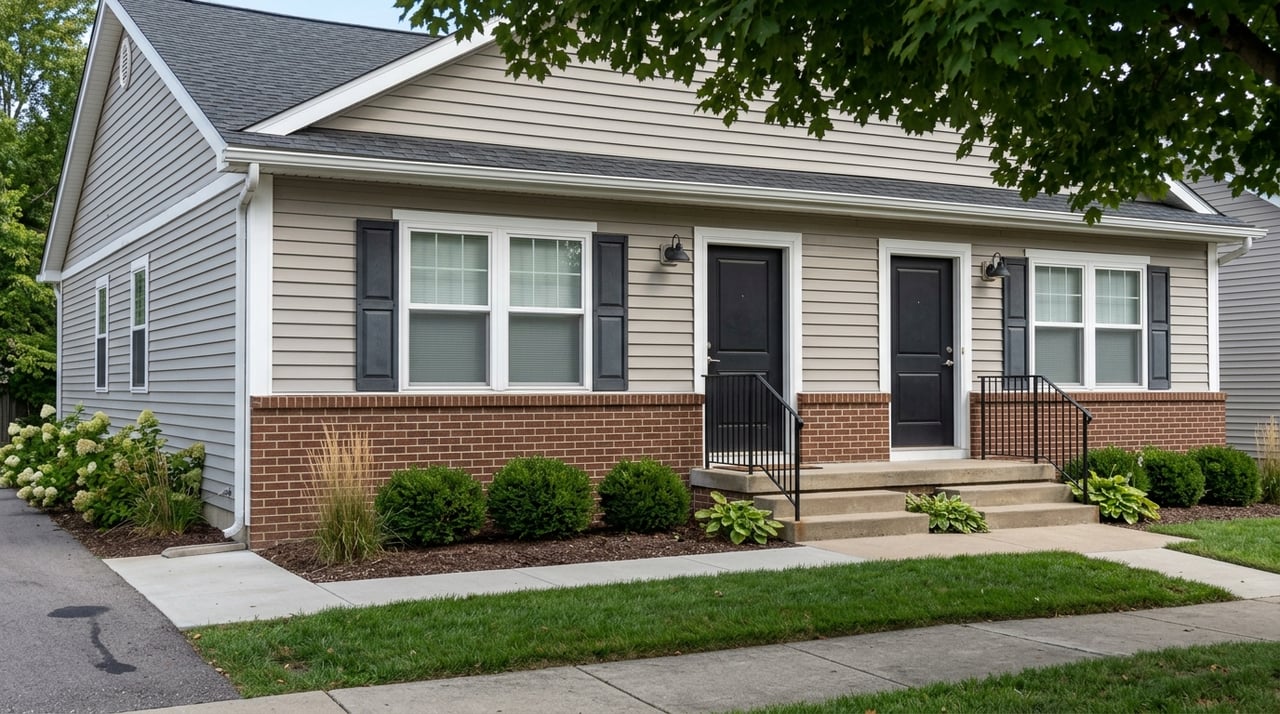
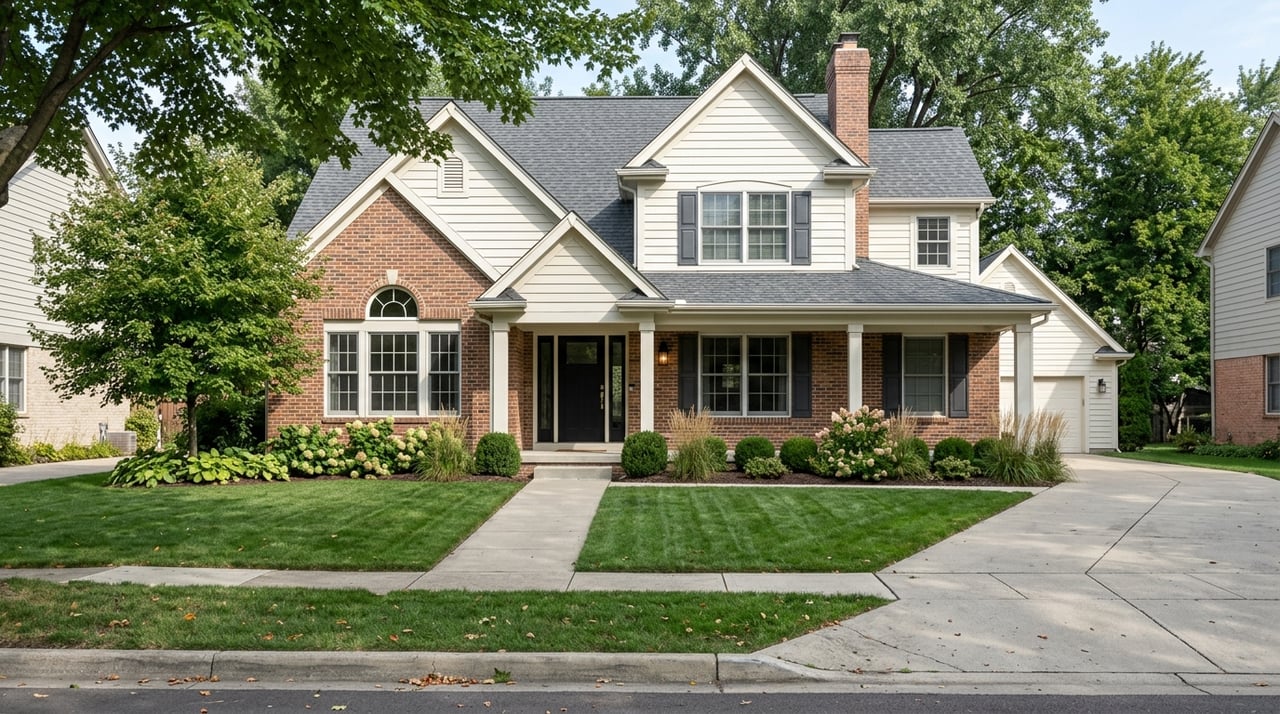
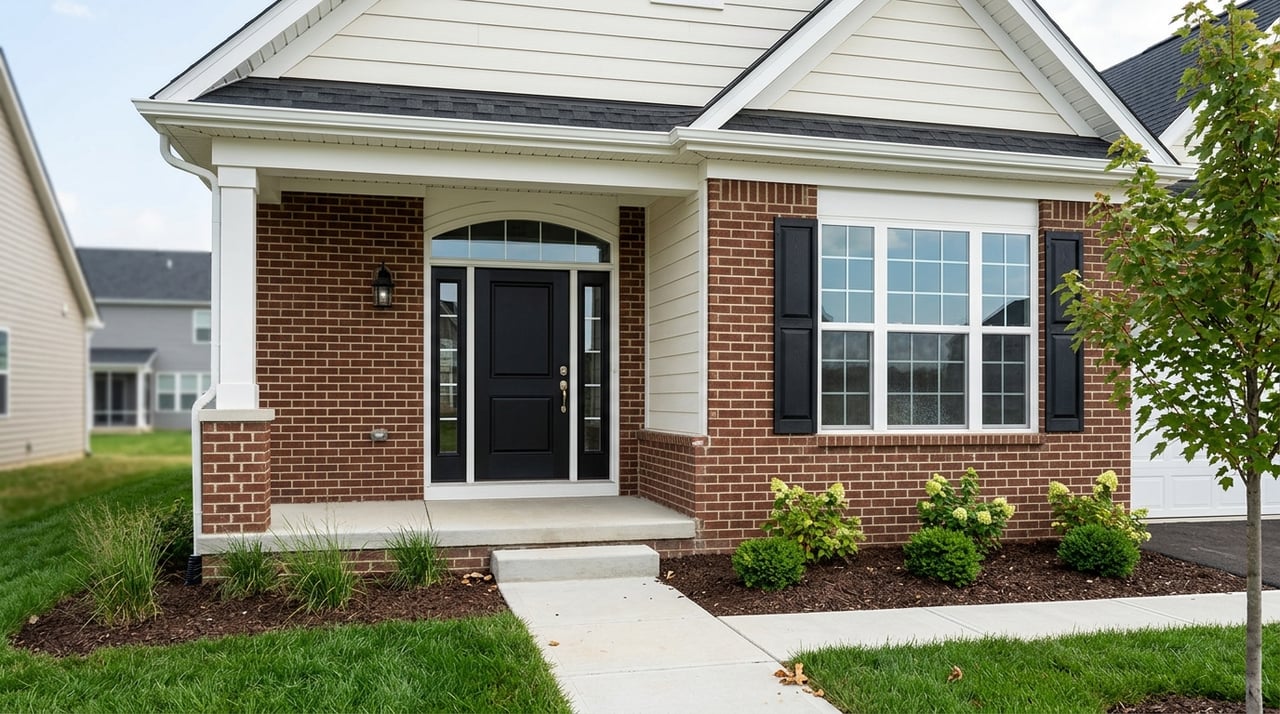
If you are thinking about real estate, this area is helpful to understand because the Riverwalk and downtown are part of a larger residential fabric, not just a visitor destination. The city’s planning materials consistently describe downtown as compact, mixed-use, and centered on pedestrian comfort, parking convenience, and preservation of small-town character.
That context matters when you are weighing what day-to-day life might look like near the core. Living close to downtown Naperville often means being connected to older homes, established blocks, mixed-use edges, and easy access to public gathering spaces rather than one single housing type.
The city’s local historic district page notes that the district includes about 320 properties, part of the North Central College campus, and 253 homes. These areas contribute to the character and economic vibrancy of central Naperville.
Planning documents add more texture. The city’s land-use materials emphasize how downtown and nearby residential areas function together, while the Downtown2030 plan highlights pedestrian connections among Water Street, the Riverwalk, and Naper Settlement. The result is a district that feels stitched together instead of fragmented.
The city also recognizes downtown residents directly through its Central Business District parking program. That is a practical reminder that this is not only a place people visit. It is also a place people call home.
A Simple Way to Explore
If you want the clearest sense of the area, keep your plan simple. Start with a walk on the Riverwalk, choose a few points of interest like the Dandelion Fountain, Paddleboat Quarry, or Moser Tower, then continue into downtown for coffee, shopping, or a meal.
That approach helps you experience what makes this part of Naperville stand out. You will see how public space, local business activity, seasonal events, and nearby housing all work together as one connected district.
If you are considering a move and want help understanding how lifestyle, housing options, and location fit together in Naperville or nearby commuter communities, connect with Kristiana Hamilton to schedule a free consultation.
FAQs
What is the Naperville Riverwalk known for?
- The Naperville Riverwalk is known as the city’s signature public space, with 1.75 miles of brick paths, bridges, fountains, public gathering areas, and recreation features along the West Branch of the DuPage River.
What can you do in downtown Naperville near the Riverwalk?
- Near the Riverwalk, you can explore shopping, dining, coffee and dessert spots, seasonal events, and pedestrian-friendly streets that connect easily with the downtown core.
Are bikes allowed on the Naperville Riverwalk?
- No. The Naperville Park District says bikes, skateboards, and scooters are not allowed on the Riverwalk itself.
How do you park in downtown Naperville?
- Downtown Naperville offers multiple parking garages, on-street parking, and more than 2,000 parking spaces overall, including facilities such as Van Buren, Central, Municipal Center, and Water Street.
Is downtown Naperville connected to nearby residential areas?
- Yes. City planning materials describe downtown, the Riverwalk, mixed-use areas, and nearby residential blocks as one connected walkable district rather than separate zones.